Communicator Spotlight: Kathleen Cairns, Reporter Who Joined Baltimore’s FOX45 in 1991 and Now is a Communication Strategist
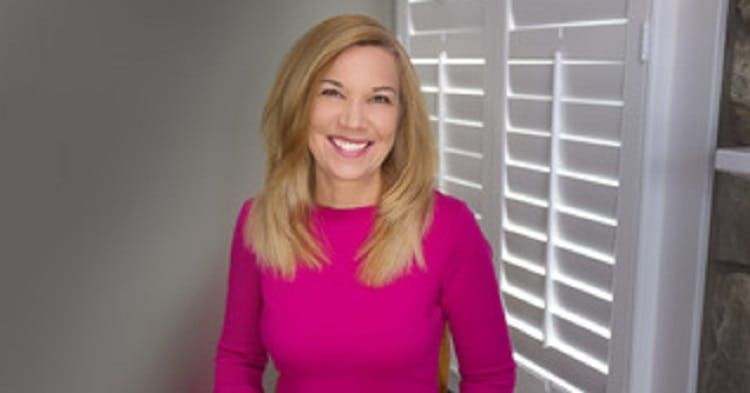
Capitol Communicator has been interviewing people who are or have been in the media about their careers and the media. Below is our Q&A with Kathleen Cairns, a TV reporter in Baltimore since FOX45’s inception in 1991. She’s a decorated journalist, with more than 30 Emmy awards, now working on the other side of the mic.
Hi Kathleen, what are you doing now?
After 30 years as an Emmy Award-winning Television Journalist, I now use my skills and experience to help others. I initially concentrated on training reporters and doing storytelling seminars which brought me across the country. Now, rather than teaching people how to ask questions, I work with people on the other side of the mic. I am a Communication Strategist with the Fallston Group. We do extensive media training. We help business leaders figure out the best way to communicate on media platforms. Our services include hands-on training that can help clients handle a variety of interviews. Our goal is to make them ’60 minutes’ ready. I am just one part of a highly trained and experienced team that offers advice and counseling designed to protect an individual or a company’s reputation when a crisis hits.
How/where did you get your start?
My first television job was at WRGB in the Albany, New York market. A fantastic News Director gave me a shot even though I did not have the skills or experience to do the job. I did offer a strong work ethic and a deep desire to learn as much as I could about the industry. Two years later, I made the jump to the Baltimore market. I always tell Journalism students a genuine motivation to learn coupled with a positive attitude can mean everything when it comes to advancement in their career.
Why did you want to go into the news?
My dad is a volunteer firefighter (at 89, he is still in the fire department. However, nowadays, he limits his activity to listening to the scanner from his recliner!). When I was a child, he was the Fire Chief, so we sometimes had to tag along on emergency calls in the family station wagon. The excitement of being on the scene always prompted me to ask so many questions. My curiosity and my love for writing made the perfect combination for a journalist.
What are the best and worst parts of the job?
The worst part is the job is the safety issue. I was knocking on doors in East Baltimore following up on a story when a woman threw bleach into my face. Luckily I was rushed to Johns Hopkins Hospital and did not have permanent damage. Even working during riots in Baltimore and Washington D.C. never made me as nervous as knocking on doors.
The best part of the job was meeting people. Baltimore has the most wonderful and painstakingly honest residents. They would open their homes and their hearts to share a story with us, even under the most challenging circumstances. For example, I met a Vietnam Veteran in Southwest Baltimore who told me he had never been to the ‘Wall’ in Washington D.C. he thought it would be too painful. A few days later, he called and told me he would like to make the trip if I went with him on the journey. It was a truly empowering and therapeutic moment as he found his friend’s name on the wall.
Who have been your role models?
As a television reporter, I always worked alongside a photojournalist. You spend 8 hours a day with this partner, and teamwork is crucial. The photojournalists I have worked with over the years helped me ‘raise the bar’ of excellence and improve my storytelling skills each day. I was lucky enough to work with Photojournalists like Bryan Barr, who kept going like an energizer bunny during hurricane coverage in Ocean City. Darren Durlach, who could make magic with any video opportunity, including a street artist who kept yelling profanities at us while painting Baltimore City landmarks. Dave Larson, who helped me look at stories through a different lens, finding a new way to view an 88-year-old swimmer whose motivation was much bigger than her box of medals. Jed Gamber who remained calm and kept me safe even as police opened fire on a suspect on the street in front of us. Alanna Delfino eagerly hiked a mile and a half with me down a muddy ravine to get the video and the interviews necessary to tell a comprehensive story of Ellicott City’s epic flood. So many Photojournalists help me learn and grow. Lastly, I cannot forget Stan Heist, a photojournalist who changed my world so much, I married him! We now have two great children!
What stories moved you the most?
I worked hard to be a compassionate and empathetic reporter. I wanted my stories to make a difference in the community. Yes, I worked through some significant events, including September 11th, The DC sniper shootings, and the Baltimore riots. But I covered some stories where the emotion was so raw; it still haunts me. I visited the home of Vito Pilius after he was carjacked and murdered. His widow met me at the door. His young sons were in the living room. Children who lost their father stood staring at me, struggling to comprehend why it happened. I still wonder to this day how those boys, now grown men, are doing with their own lives. Perhaps it is because my own mother was killed in a car accident when I was six years old. I remember the turmoil surrounding the event, with police at our front door and nuns in our living room delivering the bad news to my father. My heart aches for the children who end up in that situation, who find their childhood forever changed.
What do you think is the biggest challenge for the media going forward?
The industry has changed because there are more demands for content on a variety of platforms. However, the fundamentals of trustworthy journalism remain the same. Reporters need to find the facts, put them into the right context, and include the impact those facts have on people. True storytelling remains the same no matter what platform it may be delivered on or in what format.
What would have been your second career choice?
I would have liked to volunteer with the Peace Corps and truly made an impact in parts of the world where help is needed the most. The World Health Organization says one in three people globally does not have access to clean water. UNICEF statistics show there are 140 million orphans in the world. The World crisis can seem overwhelming. But if we all reach out one hand to help another, it can make a difference. I encourage everyone to do their part helping a neighbor, their communities, and globally if they have the means.
What do you enjoy doing when not at work?
I am a devilishly good backgammon player. I also love to hike and kayak with my husband, kids and our giant Great Pyrenees, Ellie.
Is there anything else we should know about you?
I have a brother who is mentally disabled. Every day you could ask Tom how he is doing, and he will smile and answer, “Fine and dandy!” He truly may be the happiest person I know on earth. We could all learn from him. He doesn’t worry about the little things in life. Before covid-19, he was working at an amazing theater in Ridgefield, Connecticut. The entire theater is designed to give meaningful employment to adults with disabilities. Check it out and see if a little donation could be the difference you make in the world today. https://www.prospectortheater.org
If you are interested in Media Training I would love to hear from you: Kathleen.Cairns@FallstonGroup.com And follow me on Twitter: @CairnsKCairns