Research finds younger people “used to video, not text”
Research from Northwestern University’s Medill School of Journalism shows the difference between how older and younger people consume news, reports Editor&Publisher. While the research is focused on news consumption, the findings apply to all communications with younger people.
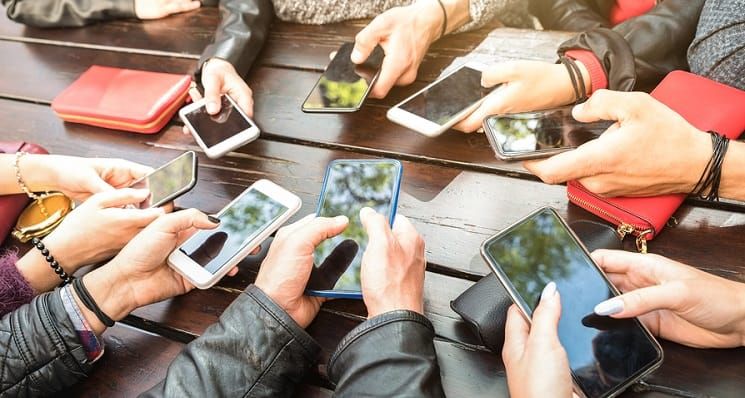
“Younger people have grown up in a world with mobile devices. They weren’t socialized into a world first of print and then of television,” said Stephanie Edgerly, professor and associate dean of research at Medill. “By the age of 14, around 90% of teenagers have access to a mobile device. So you’re really having that strong connection with this way of getting information — and not other ways.”
That means, states E&P, simply repackaging print or broadcast content for the web isn’t enough. “You can’t just put your newspaper story online and say, ‘Here, I’ve met you where you are,’” Edgerly said. “You have to prioritize mobile-ready — and in many cases mobile-first — content that looks and feels right for the device.”
Perhaps, adds E&P, “the most surprising finding in Medill’s study is that one-third of respondents reported receiving daily local news from content creators — individuals who post news and commentary on platforms such as TikTok, Instagram and Substack. In fact, more people in the survey reported consuming local news from content creators than from traditional newspapers or radio.”
“To me, this was one of the most surprising findings,” said Tim Franklin, Medill’s senior associate dean and director of the Local News Initiative, . “It’s now not only possible for individuals to create larger audiences than legacy news organizations — it’s actually happened in many cases.”
He attributes the shift to how audiences prefer their storytelling. “Especially with younger consumers, they’re used to video, not text,” he said. “And many content creators are producing short-form video clips. It’s a more conversational, authentic mode of storytelling.”