WF? The Great Workplace Experiment
By: Cary Hatch, CEO, MDB Communications
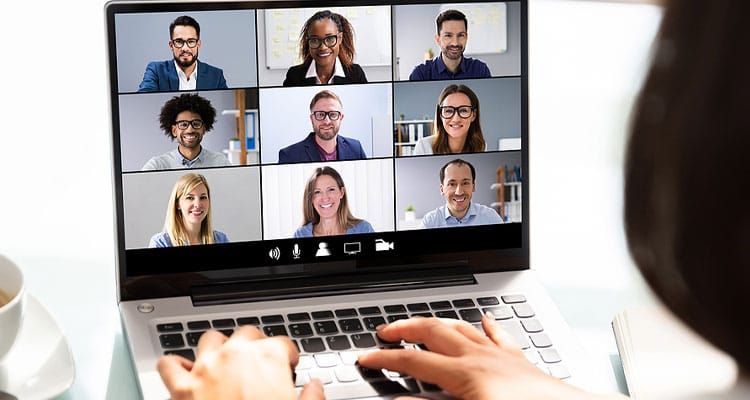
Sixteen months ago, fickle COVID protocols and lockdowns launched the ad world into the “Great Workplace Experiment”. Work from Home (WFH) was a stark contrast to the brainstorming sessions, pitch confabs and client dinners the industry is known for. Our newfound embrace of Zoom (such as it is) has provided the much-needed connective tissue for remote creative minds, channel strategy leaders, digital production wizards and reporting gurus…but, less so the esprit de corps and culture. Or has it? Well, it largely depends on your POV and where you sit in the economic ecosystem.
The latest Harris Poll results, pertaining to the business impact of the crisis, provides some insight and resulting ad industry context.
First, the economic viability of industry categories during the pandemic largely fell into three pots: Advantaged, Neutral and Disadvantaged. Easily divided by business segments, the disadvantaged were the unfortunate victims by virtue of “in-person” service dependency. And while some packaged goods soared (P&G, Purell, etc.), others like travel, tourism, and the restaurant industry (Marriott, Delta, Carnival, California Pizza Kitchen, etc.) were devastated.…as were the respective agencies that served those categories. The economic disruption to agencies and the overwhelming safety concerns for employees rocked an otherwise ingrained notion of one team, one place. One Harris poll stat caught my eye.
4 of 5 of those working remotely or in hybrid models expect to return to the office in the future – with business decision-makers more likely to hold this view than others. (91% to 72% respectively; still, a large majority.)
Questions remains as to how return to the office is defined….3 days a week? Alternating days or teams? Totally remote? What about hybrid inequity? Is this permanent? What technology best supports business and human needs? How is productivity and accountability viewed? And how will potential federal legislation on overtime for workers impact WFH models? The list goes on.
The consequence of this disruption has led to reassessing long-held perspectives and policies for a distributed workforce, how agencies recruit and hire, while discovering ways to support parents and caregivers and providing for the safety, equity and well-being of their employees.
The ongoing and uncertain effectiveness of vaccines with a new variant at hand adds to our current reality. Considering this ongoing dialogue, adopting the phrase, “Avoid Certainty” has become ever more meaningful and wiser for both employees and employers.
MDB’s announcement, a year ago, that employees could world from anywhere, followed the national trend toward remote-work statements of Facebook, Twitter and Google and was a stark change for a corporate culture built around getting workers into offices. As stated in a recent Ad Age article, “There are already clear indications that, at least in the near-term, many brands and agencies will retain flexible work policies. Spotify, Salesforce, Twitter and Microsoft are among the many corporations that have adopted new policies that will either allow their employees to work from home permanently or on a hybrid model”.
Our position today remains consistent. We recognize the remarkable ways in which COVID-19 has changed our everyday routines, and that absolutely includes our everyday work. We can all agree that, for the foreseeable future, remote work is going to shape our personal and business decisions as well. The spontaneous ‘stress test’ to work from home since March 13, 2020, has proven to be surprisingly successful.
We’re not alone, many agency executives are noting that their remote workers performed better than expected and productivity remained high. Now, the question remains, “what is missing and what’s evolved for the better”?
An important agency advantage is the recruitment and retention of diverse, high-caliber talent. And since remote work options are increasingly important for young professionals as a critical component of employment, a hybrid model makes for a truly competitive benefit. Additionally, fixed overhead expenses in the form of real estate costs can be decreased to support other initiatives and talent; plus, the ability to support clients from multiple remote locations throughout the country is paying off for many firms.
While many people are eager to be back again. There are mixed perspectives, it is complicated. As a leader hearing these different ways of working are part of finding a solution that works for the business and the team that make the business possible.
I see the forecast is partly sunny. But, to state the obvious, none of us really knows what the future of “return to the office workplace” really looks like. What we do know is it will take grace, empathy, business acumen and …. discipline, rigor, and humanity in an effort to get it “right” for all stakeholders.
MDB Communications is a Capitol Communicator sponsor.